


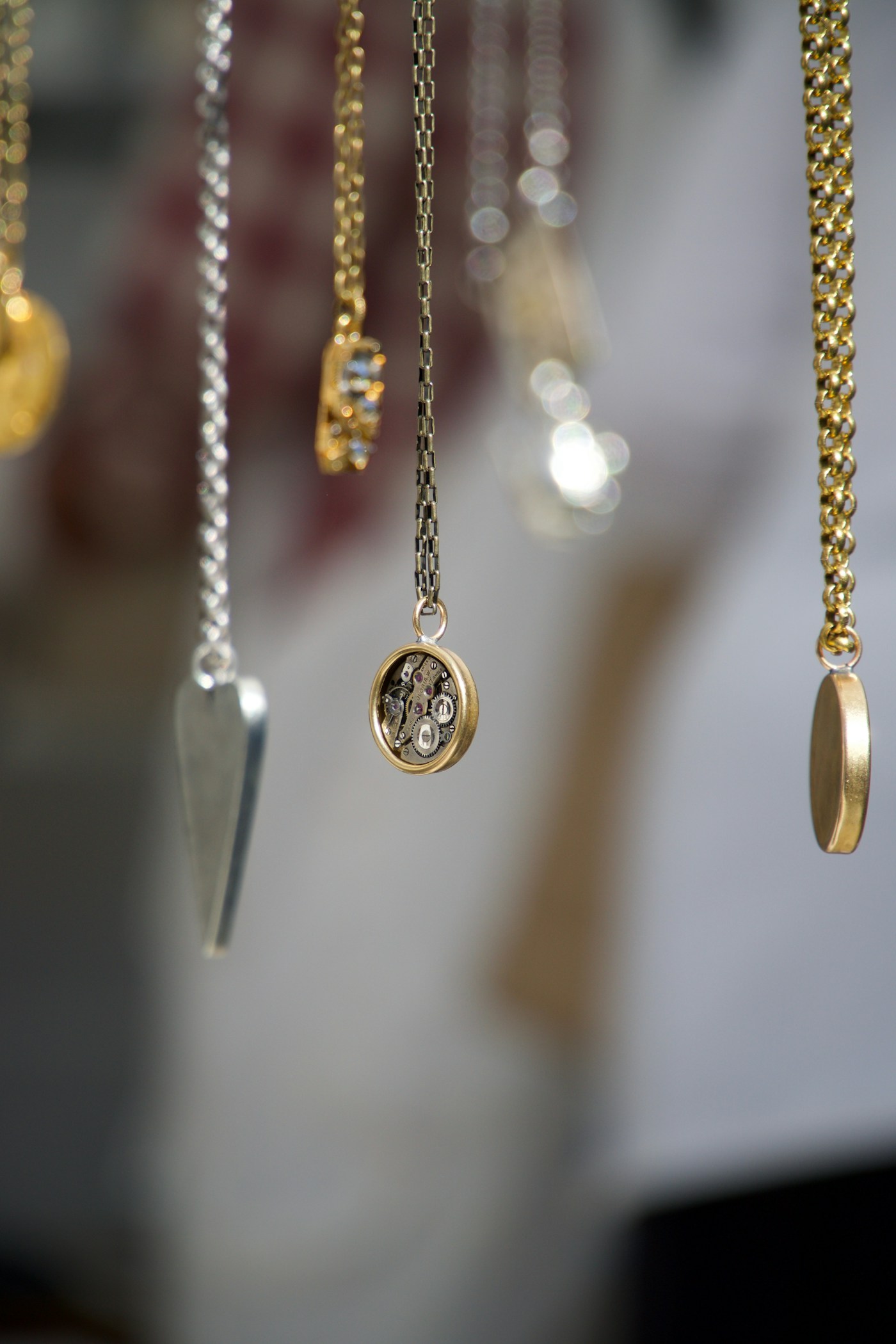
In its pure, elementally unadulterated state—24 karat—gold possesses an unmistakable, warm radiance. Yet, pure gold is inherently soft, malleable, and ill-suited to withstand the daily rigours of modern wear or securely hold high-precision diamond settings. To transform this noble metal into enduring fine jewellery, master metallurgists fuse fine gold with specialized alloy metals. This alchemical balance enhances structural strength, alters tensile properties, and crafts the mesmerizing colour spectrum we admire today: classic yellow gold, crisp white gold, and romantic rose gold.
At NDV Jewellers, every creation begins with a reverence for metallurgical precision and uncompromising purity standards. Whether setting our certified lab-grown diamond collections or engineering bespoke custom commissions, understanding gold alloys is essential for selecting a piece that suits your lifestyle, skin undertones, and aesthetic desires. In this authoritative editorial, we unpack the exact metallurgical chemistry, alloy breakdowns, and structural durability behind fine gold jewellery.
1. The Golden Foundation: Karatage, Alloys, and Hallmarking
Before exploring colour variations, one must understand how gold purity is measured. Pure gold is defined as 24 karats (24K), representing 99.9% elemental gold. Fine jewellery is predominantly crafted in 18K and 14K gold to achieve optimal hardness and structural durability.
- 18K Gold (750 Purity): Composed of 75% pure gold and 25% alloy metals. 18K gold offers a rich, luxurious tone with high intrinsic value, making it ideal for fine bridal jewellery and high-carat certified lab-grown diamond rings.
- 14K Gold (585 Purity): Composed of 58.3% pure gold and 41.7% alloy metals. 14K gold provides superior scratch resistance and structural rigidity, perfectly suited for intricate micro-pave designs and active daily wear.
Every piece released from NDV Jewellers features official BIS hallmarking stamped with a unique 6-digit alphanumeric HUID (Hallmark Unique Identification). This government-certified process guarantees absolute transparency regarding gold karatage and metal composition, giving our discerning clientele total peace of mind across India.
2. The Metallurgical Palette: Chemistry Behind the Shades
The distinctive hues of yellow, white, and rose gold are achieved by carefully adjusting the composition of the secondary alloying elements. Each metal brings specific properties to the crucible, shaping both aesthetics and physical durability.
Classical Yellow Gold: The Balance of Zinc, Copper, and Silver
Yellow gold remains the eternal symbol of royal luxury. To preserve the natural golden hue of 24K gold while imparting necessary hardness, metallurgists blend gold with equal proportions of silver and copper, balanced with a controlled addition of zinc.
Zinc plays a critical role in yellow gold alloys. Acting as a deoxidizer during casting, zinc prevents oxidation, improves fluid flow in complex custom CAD moulds, and neutralizes unwanted reddish undertones from copper. The result is a luminous, buttery sunshine tone that enhances warm Indian skin tones and pairs exquisitely with brilliant-cut certified lab-grown diamonds.
Architectural White Gold: Premium Nickel-Free Silver and Palladium Formulations
White gold offers a sleek, modern alternative to traditional yellow gold. Naturally yellow gold cannot be rendered truly white without precise alloying techniques. Modern luxury goldsmithing achieves this through hypochromatic metal additions.
While commercial mass-market white gold historically relied on nickel to bleached yellow gold, nickel is a known allergen that can cause contact dermatitis. At NDV Jewellers, we strictly enforce nickel-free white gold formulations, alloyed with high-grade silver and premium palladium. Palladium acts as a powerful bleaching agent that stabilizes the metal’s white matrix, imparting superior density and hypoallergenic safety.
To achieve a mirror-like silver-white finish, fine white gold receives a final plating of ultra-precious rhodium—a rare platinum-group metal. Over time, rhodium plating on daily-wear rings may gently wear to reveal the warm white gold beneath; however, simple professional re-plating restores its brilliant sheen effortlessly.
Romantic Rose Gold: The Warmth of Copper Mechanics
Rose gold has captured the hearts of modern connoisseurs with its soft, vintage romance and universally flattering tone. The signature blush color of rose gold is derived primarily from fine copper.
By increasing the ratio of copper relative to silver, metallurgists shift the alloy's color profile from pale champagne to deep blush pink. Beyond its visual charm, copper is one of the hardest base metals used in gold alloys. Consequently, 14K and 18K rose gold exhibit exceptional tensile strength and superior scratch resistance, making rose gold micro-prong settings remarkably secure for active wearers.
"True luxury lies in structural perfection. Every piece crafted at NDV Jewellers integrates precision metallurgical alloys, BIS 6-digit HUID hallmarking, and master CAD engineering—ensuring your certified lab-grown diamond setting remains pristine across generations." — Master Goldsmith, NDV Jewellers
3. Durability & Vickers Hardness: Choosing for Your Lifestyle
When selecting fine jewellery, durability is measured on the Vickers Hardness Scale (HV). Higher HV ratings indicate greater resistance to surface scratches, bending, and denting.
- Rose Gold (Highest Hardness): High copper content gives rose gold the highest hardness rating among gold alloys, making it exceptionally resilient against impact and wear.
- 14K Yellow & White Gold (Moderate-High Hardness): Outstanding structural resilience for engagement rings, bracelets, and daily-wear diamond jewellery.
- 18K Yellow & White Gold (Softest Luxury Alloy): Richer in gold content, offering unparalleled warmth and prestige, requiring mindful wearing habits to minimize surface micro-scratches.
4. The NDV Jewellers Selection Checklist
Selecting your perfect metal shade involves harmonizing skin undertones, maintenance expectations, and design style:
- Skin Tone Compatibility: Cool undertones look brilliant in Nickel-Free White Gold; warm undertones glow in Classic Yellow Gold; neutral tones look stunning in Rose Gold.
- Diamond Purity & Color: Certified lab-grown diamonds rated D-F color look magnificent in White Gold. G-H color diamonds pair beautifully with 18K Yellow or Rose Gold.
- Bespoke Customization: Looking for natural mined diamonds or a completely custom ring design? NDV Jewellers creates bespoke CAD commissions tailored precisely to your requirements.
- Value Security: Every jewellery piece purchased from NDV Jewellers is backed by our signature 50% lifetime buyback guarantee.
Begin Your Fine Jewellery Journey with NDV Jewellers
Whether you are drawn to the sunlit warmth of yellow gold, the architectural purity of nickel-free white gold, or the romantic allure of rose gold, NDV Jewellers invites you to experience luxury without compromise. Explore our certified lab-grown diamond collections online, featuring seamless 10-day insured pan-India delivery, or visit our flagship showroom in Mumbai alongside our prestigious locations in Pune, Kolhapur, Kolkata, and Siliguri. Connect with our expert gemologists today to craft your next modern heirloom.